
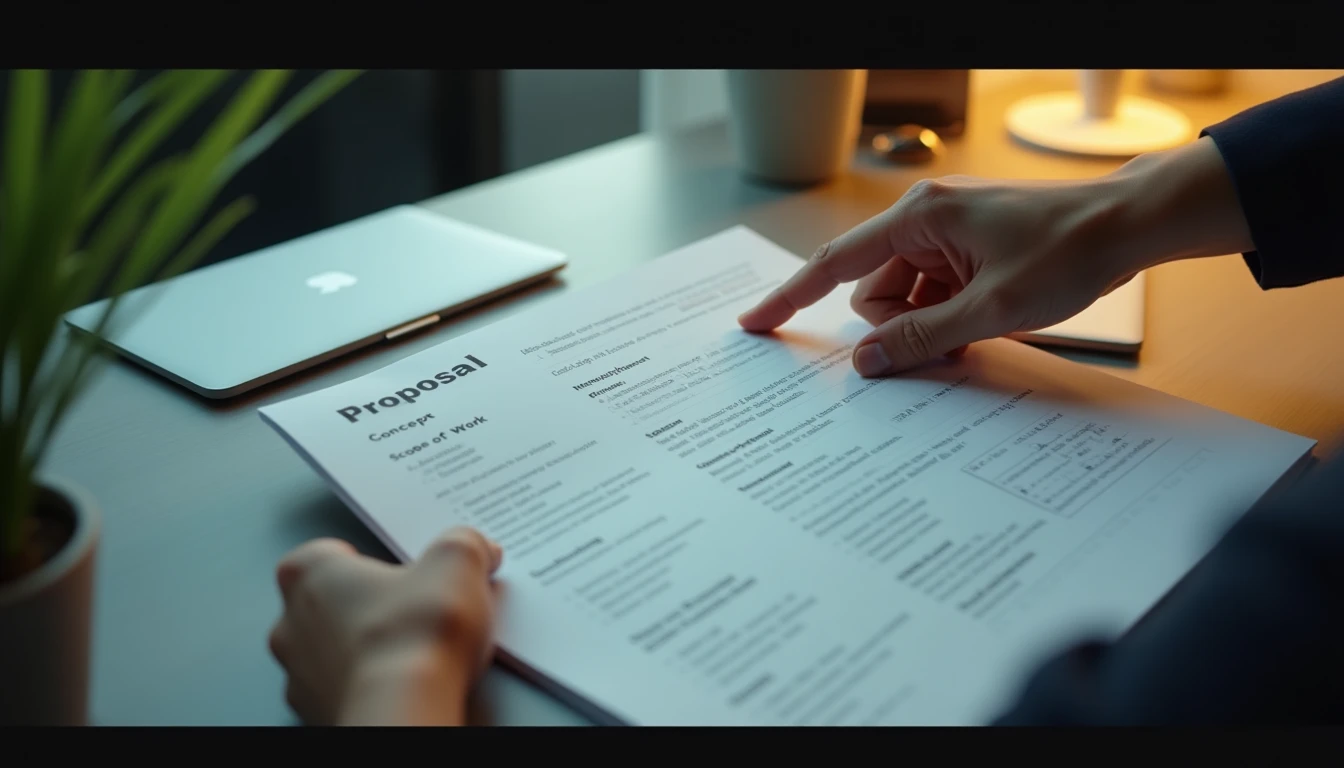
Last month, a prospective client asked, "Why do so many video proposals contain nothing but a price? You need a narrative, you need someone to offer a solution." That question really hit home. Freelancers and small production houses often focus too much on price and forget to sell value.
Yet a video services proposal is the first door to winning a client over. It’s not just a list of costs; it represents our professionalism and how well we understand their needs. A tidy, well-structured, personal proposal can be the main thing that sets you apart in the client’s eyes.
So how do you write a video services proposal that convinces clients and closes the deal? Let’s break it down step by step.
What Goes Into a Convincing Video Services Proposal?
An effective proposal is like a two-way conversation, not a monologue about our services. We show that we’ve listened and understood what the client needs, then offer a solution that fits. Here are the essential components:
-
An Opening That Shows You Understand the Client’s Needs
The first sentence of the proposal should go straight to the heart of the client’s problem or goal. Skip the generic small talk. Mention the client’s company name and show right away that you’ve done your research or understand their context.
Example: "We understand that [Client Name] is currently working to increase brand awareness among millennials in Semarang through its latest digital campaign."
It’s important to show empathy and relevance from the start. This builds a connection and makes the client feel valued. -
A Summary of the Brief (Problem & Goal Statement)
This section is proof that you listened to the brief the client gave you. Restate your understanding of the problem they’re facing and the goal they want to reach. This prevents misunderstandings later on.
Example: "Based on our discussion on [Discussion Date], we understand that your main challenge is that your video content’s reach isn’t yet where it should be, so your target audience hasn’t been fully reached. Your main goal is to increase engagement by 20% in the coming quarter."
By summarizing this, the client feels heard and is confident you’ve grasped the essence of their request. -
The Proposed Approach or Creative Concept
This is where you offer a solution. Explain how the video you’ll make will address the client’s problem and reach their goal. Focus on how the video will work, not just what will be in it.
Example: "We propose a dynamic storytelling video concept focused on the user experience of [Client Product Name]. With a cinematic visual style and a relatable narrative, this video will stir emotion and drive interaction."
If possible, include visual references or a short mood board to give a clearer picture. -
A Clear Scope of Work and Deliverables
Spell out exactly what you’ll be doing and what final results the client will receive. This includes video length, number of videos (if there are several), file format, resolution, and recommended distribution platforms.
Example:
- Number of Videos: 1x Main Video (60-90 seconds)
- Format: MP4, 4K resolution (3840x2160px)
- Additional Output: 3x Short Videos (15-30 seconds) for social media (Instagram Reels, TikTok).
- Music License: Royalty-free for commercial use.
Transparency here is crucial to avoid the wrong expectations.
- Work Stages and Project Timeline
Divide the project into logical phases, for example: Pre-Production (concept, storyboard, talent casting), Production (shooting), and Post-Production (editing, color grading, sound mixing, review). Include an estimated duration for each stage.
Example Timeline:
- Week 1: Kick-off Meeting, Concept & Storyboard Finalization
- Week 2: Production Prep, Shooting Schedule
- Week 3: Production (Shooting)
- Weeks 4-5: Post-Production (Editing, First Review)
- Week 6: Finalization, Delivery of Final Files
A realistic timeline shows careful planning.
- Price Breakdown (Investment)
Use the word 'investment' rather than 'price' to emphasize the value the client will receive. Break down the details so the client understands where the money goes. Include everything that the cost covers.
Example:
- Pre-Production Cost (Concept, Storyboard, Location Scouting): IDR X,XXX,XXX
- Production Cost (Equipment Rental, Crew, Talent, Transportation): IDR Y,YYY,YYY
- Post-Production Cost (Editing, Color Grading, Sound Design): IDR Z,ZZZ,ZZZ
- Total Investment: IDR A,AAA,AAA
Make sure every element described in the scope of work is covered in this breakdown.
- Brief Terms and Conditions
This section is important for protecting both sides. Include:
- Payment Terms: For example, a 50% down payment on confirmation and 50% after delivery of the final files. Or a 30% down payment, 40% after the shoot, and 30% on delivery.
- Number of Revisions: Limit the number of revisions included in the package (for example, 2 rounds of editing revisions).
- Usage Rights: Explain the license for the client’s use of the video (for example, for social media and the company website).
This isn’t about making things difficult; it’s about clarity.
- Relevant Portfolio Examples
Include links or video thumbnails from your portfolio that are most relevant to the client’s project. This gives visual proof that you can deliver similar projects.
Example: "Some previous projects with a similar concept or target audience to yours can be seen here: [Link to Video A], [Link to Video B]."
See the Labstory.id portfolio for strong visual examples.
Extra Tips to Make Your Proposal Stand Out
Besides the main components, there are a few tricks that can make your proposal shine even more:
-
Sell Value and Results, Not Just a Price List
Focus on the outcome the client will achieve. How will this video help them increase sales, brand awareness, or operational efficiency? Use language that’s oriented toward solutions and benefits. -
Offer Several Packages (Tiered Pricing)
Not every client has the same budget. Offering 2-3 packages (for example: Basic, Standard, Premium) gives flexibility. Clients can choose the one that best fits their needs and budget. The Basic package can be the entry level, while Premium offers a more comprehensive service.
| Package | Main Scope | Deliverables | Approx. Length | Investment | |
|—|—|—|—|—|
| Basic | 30-second Promo Video | 1x 30-second Video | 30 seconds | From IDR X,XXX,XXX | |
| Standard | Company Profile Video | 1x 60-90 second Video + 2x Short Videos | 60-90 seconds | From IDR Y,YYY,YYY | |
| Premium | Full Campaign Video | 1x 2-minute Video + 5x Short Videos + Supporting Photos | 2 minutes | From IDR Z,ZZZ,ZZZ | |
-
Make It Look Tidy and Professional
Use a proposal template that’s clean and consistent with your brand identity. Pay attention to the layout, font choice, and use of visuals (if any). A proposal that looks bad can give a bad impression of the quality of your work too. PDF is the commonly used format. -
Follow Up After Sending
Don’t just send the proposal and go quiet. Give it a reasonable amount of time (for example 2-3 working days), then follow up by email or phone. Ask whether they have any questions or need anything clarified.
A proposal that’s nothing but a price forces the client to compare the only thing they can compare: the number. A proposal that shows you understand their problem, offers an approach, and is transparent about the stages moves the conversation from 'how much' to 'can you solve this'. And that’s almost always a conversation that’s easier for you to win. Once the proposal is approved, the next job is making sure the client is ready for the shoot day.
Need a visual production team for a project in Semarang? Labstory is a production house based in Semarang. See Labstory’s portfolio for examples of our work, or get to know our team and approach.
FAQ
What is the main purpose of a proposal when offering video services?
A proposal serves as a formal document that summarizes your understanding of the client’s needs, the solution you’re offering, the scope of work, the timeline, the cost breakdown, and the terms and conditions. It’s the main tool for convincing the client that you’re the right choice.
How do you show value beyond just the price in a proposal?
Focus on the benefits and the end results the client will get from the video. Explain how the video will help them reach their business goals, such as increasing sales, brand awareness, or audience engagement.
How many revisions should a proposal include?
The ideal number of revisions varies, but 1-3 rounds of editing revisions is generally fairly standard. It’s important to state this specifically in the terms and conditions so there are no disputes later on.
Should I offer several packages in a video proposal?
Yes, offering several packages (for example Basic, Standard, Premium) is highly recommended. It gives the client the flexibility to choose the option that best fits their needs and budget, while also showing the range of services you can provide.



Leave a Reply