
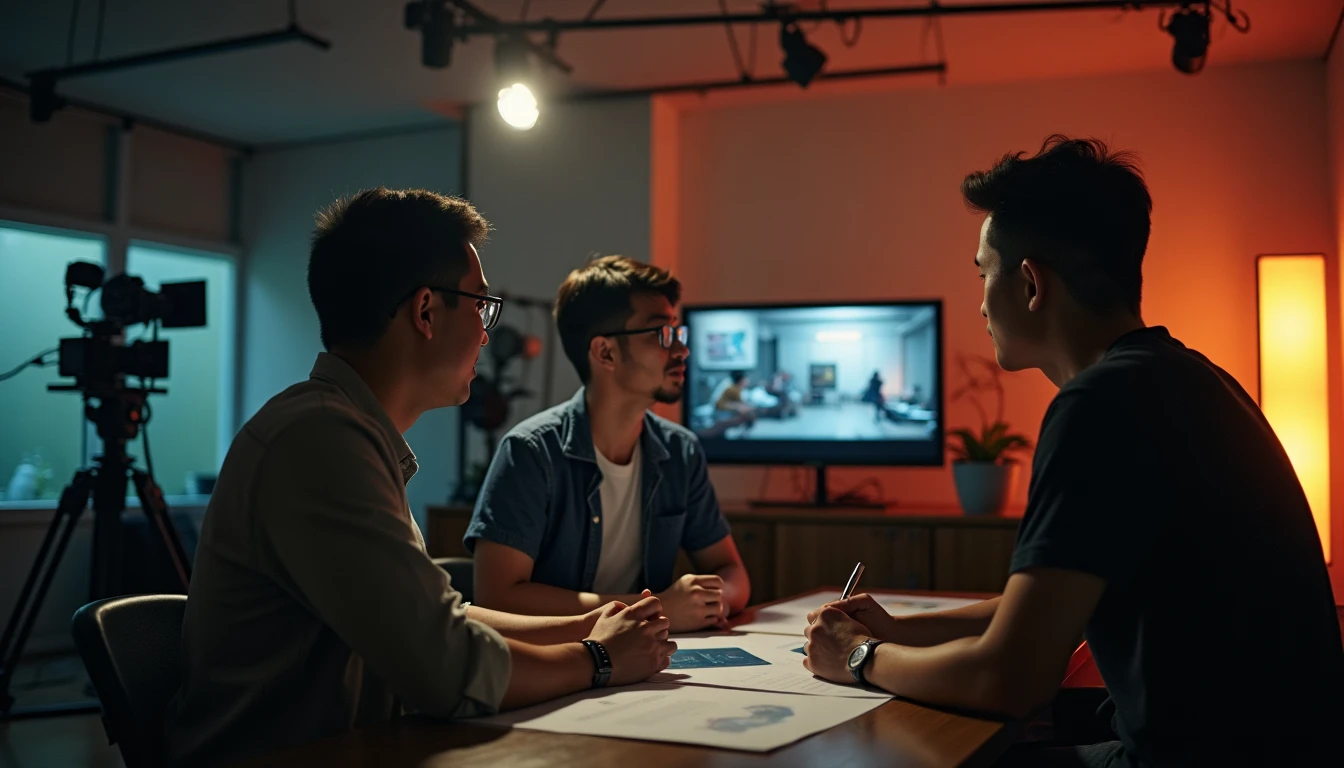
Last month, I was offered a project covering a wedding. The prospective client came with a fairly long list of requests, but when we got to the price, the negotiation dragged. They compared my quote with another vendor who was “much cheaper.” One of their points was to lower the equipment rental fee, on the grounds that “it’s only being used for a little while.” I remember thinking that the maintenance and investment in that gear are exactly what keep the quality of the work up, not to mention the damage that can happen at any time. That experience reminded me that choosing a video and photo production vendor should never come down to price alone.
Why Production Quality Matters More Than Just Being Cheap
Comparing prices between video and photo vendors is perfectly normal. Who doesn’t want the best deal? But fixating on the lowest price often blurs what quality visual production is really about. Take the equipment, for example. It’s not just about the brand or model, but how well the gear is looked after. Even an expensive camera can give disappointing results if it isn’t maintained properly. The same goes for lighting, audio, and editing software. All of it takes investment and regular upkeep.
At Labstory, we invest in gear like the Lumix S5iix camera, the Aputure 600d for lighting, and a range of quality lenses. That’s not to show off, but to make sure every detail is captured as well as it can be. Maintenance, calibration, and replacing worn parts are all part of the production process that the client never sees. When you choose a vendor offering a rock-bottom price, it’s worth asking: where do those savings come from? Are they cutting corners on equipment? Or maybe reducing the team’s working hours? Or even skipping precise color calibration?
I once worked with a client in the Kota Lama area of Semarang who first went with the cheapest vendor. The result? Lots of shaky footage because the tripod wasn’t stable, distorted audio because of a makeshift mic, and dull-looking colors. They ended up having to pay extra for re-editing. It’s a real example of cheap turning out more expensive.
The Production Team: The Brains Behind the Visual Quality
Advanced equipment is just scrap metal without skilled hands to operate it. The production team is the heart of any visual project. They’re not just camera operators, but also lighting designers, sound recordists, directors, editors, and much more. Their skill at reading a situation, capturing moments, directing subjects, and shaping the story in the edit is added value you can’t put a price on.
Picture a product photo session for a food and beverage startup brand in Banyumanik. The photographer doesn’t just photograph the food; they also understand how to do the food styling so it looks mouthwatering on camera, how to set up the lighting so the food’s texture shows clearly, and which composition makes the product stand out. That takes flying hours and an understanding of visual aesthetics.
At Labstory, our team is made up of professionals with varied experience in their own fields. We believe solid collaboration between team members produces richer, more nuanced work. Concept discussions, storyboarding, shooting, and post-production are all done in a structured way. This makes sure every stage stays true to the client’s vision and our quality standards.
The Workflow: From Concept to Final Result
A visual production vendor’s workflow covers a lot. It runs from pre-production (consultation, research, developing the concept, scripting), through production (shooting photos/video), to post-production (editing, color grading, adding audio, rendering). Each of these stages takes time, effort, and expertise.
Clients often make lots of last-minute requests or change the concept midway without realizing the impact on schedule and cost. A good vendor will explain the consequences of those changes transparently. They’ll give you options, not just say “we can’t.”
For example, a client asks to add drone shots at the last minute during a company profile shoot around Tugu Muda. If it wasn’t planned, there may be permit issues, uncooperative weather, or even limits on the drone’s operating time. A professional vendor will communicate this from the start and offer solutions, like rescheduling or adjusting the concept.
At Labstory, we always try to be transparent about how we work. We provide a clear project timeline, review sessions at every key stage, and open communication. The goal is for clients to feel comfortable and involved throughout, without feeling that anything is being hidden.
A Long-Term Investment: Quality That Lasts
Quality video and photo production isn’t just for momentary consumption. A good company profile can be an effective marketing tool for years. Attractive product photos can make a brand more appealing to consumers. Authentic testimonial videos build audience trust.
Choosing a vendor based on the lowest price often produces work that dates quickly, both technically and aesthetically. Visual trends keep changing, but the foundations of quality—good lighting, strong composition, clear audio, and an engaging story—will always be relevant.
When you pay for visual production, what you’re really buying is how your brand looks to people who have never met you: in a tender presentation, in a social media feed, on the screen in an office lobby. That’s why cheap-but-quickly-dated actually ends up expensive — you replace it far sooner.
Comparing Visual Production Vendor Options
| Criteria | Low-Budget Vendor | Mid-Range Quality Vendor (Labstory) | Premium Vendor |
|---|---|---|---|
| Equipment | Standard gear, possibly rented by the day, minimal maintenance | Well-maintained professional gear, regular investment, backups on hand | The most advanced gear, latest technology, always up to date |
| Production Team | A single operator or small team, varied experience | Specialists for each area (camera, lighting, audio, editing) | Large team, highly experienced, many specializations |
| Production Process | Fast, little consultation, changes hard to accommodate | Structured, intensive consultation, flexible with updates | Very detailed, in-depth research, thorough pre-production |
| Final Result | Fairly good, standard, may have technical flaws | High quality, cinematic, true to the brief, details worked through | Outstanding quality, global film/advertising industry standard |
| Price | Most affordable | Competitive, in line with the value | Highest |
The cheapest price almost always hides costs that only show up later: shaky footage that has to be re-edited, distorted audio, dull colors that can’t be rescued. Before comparing two quotes, ask one more useful question — what’s different between them. The answer usually already explains the price gap.
Need a visual production team for a project in Semarang? Labstory is a production house based in Semarang. See Labstory’s portfolio for examples of our work, or get to know our team and approach.
FAQ
How long does a company profile video usually take to make?
Turnaround varies depending on how complex the concept is, the length of the video, and the client’s schedule. For a standard 1–3 minute company profile video, the process from pre-production to final delivery can take 2–4 weeks. That includes consultation, shooting, editing, and revisions.
Does the price include transportation and accommodation?
Generally, transportation and accommodation for the team and equipment are calculated separately, especially if the shooting location is outside the Semarang area. We always give a transparent cost estimate up front.
What if I want revisions after the final result is delivered?
Our packages include a free revision quota, usually 1–2 rounds of revisions for minor adjustments. Major revisions that change the concept or add significant length may incur extra costs. We’ll discuss this with you first.
What’s the difference between video marketing services and a company profile video?
Marketing videos focus more on sales or promoting a specific product or service, often with a shorter length and a clear call to action. A company profile video, on the other hand, aims to introduce the company as a whole, its vision, mission, values, and operations, usually with a broader narrative.
Can I see Labstory’s portfolio before deciding?
Of course. You can see various examples of our work on our website, including in the company profile video and commercial photography services sections. We can also talk through the portfolio pieces most relevant to your needs.


Leave a Reply