
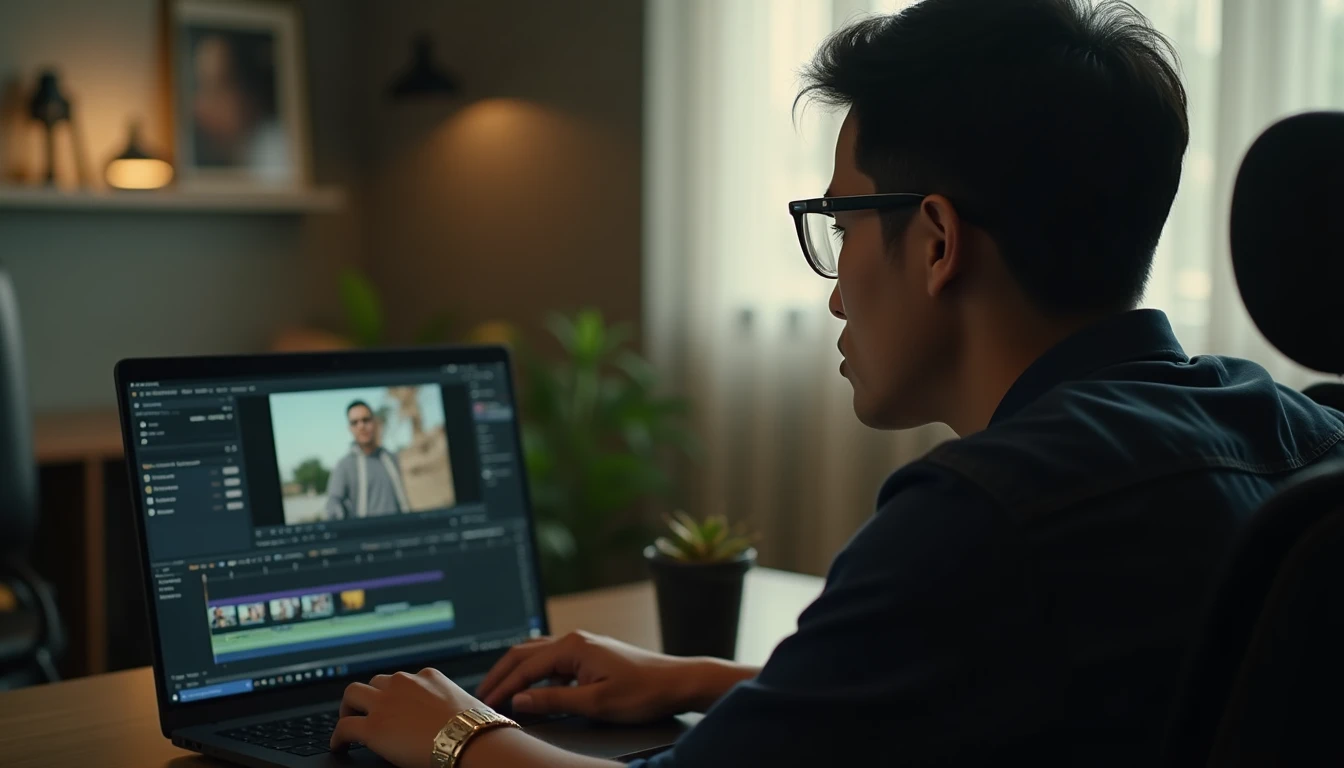
Last month, we were close to finishing a company profile video project for a client in the F&B business. At first, everything went smoothly. The concept discussions were exciting, and our team was enthusiastic. But as time went on, things started to feel heavy. This client had very high expectations, but their communication tended to be reactive and kept changing. It wasn’t the first time we’d met a client with unusual requests, but this time felt different.
Sudden changes were on the menu every day. In the morning we’d discuss a minimalist camera setup; by midday they wanted dramatic effects added. In the afternoon, a sudden revision to a script that had been approved a week earlier. It felt like building a house where the foundation gets dug up again every time the walls go up. There were moments when I felt frustrated, almost tempted to answer back just as sharply. I kept picturing all the team’s hard work, the wasted time, and the potential for unnecessary cost overruns.
I remember one moment in a virtual meeting. The client started doubting the decision to shoot in Kota Lama, even though we had agreed on it based on the visual aesthetic we’d proposed. They suddenly asked why we didn’t just use a studio, when we had already spent half a day there. Honestly, I felt a lump in my throat. I wanted to argue, to explain all over again why the heritage exteriors mattered for their story. But I held back. I reminded myself of our main goal: delivering the best result for the client, not winning an argument.
The turning point came when I decided to take a short break. I stepped away from the screen, took a deep breath, and tried to see the situation from the client’s point of view. Maybe they were under pressure from their boss, maybe they weren’t fully convinced by our vision yet, or maybe they just needed more reassurance. Once I’d calmed down, I went back into the conversation with a different approach. I was no longer defensive; I listened more.
Instead of pushing back right away, I asked for more detail. "Could you explain your specific concerns about shooting in Kota Lama? What makes you feel a studio is a better fit right now?" These open questions opened up room for a more constructive discussion. It turned out the main concern was Semarang’s unpredictable weather. The client was afraid rain would disrupt the schedule.
We then discussed mitigation options. I explained that we had already prepared a backup plan for bad weather, including possibly using some indoor spots around Kota Lama, or even rescheduling the outdoor sessions if we really had to. We also agreed to make the schedule more flexible and to name a clear final decision maker for each stage of production. This helped reduce confusion and sudden changes.
Setting clear boundaries was also crucial. We referred back to the original contract on the agreed number of revisions. Not as a threat, but as a reminder of the foundation of our agreement. We also set more effective communication hours; for example, all requests or changes had to be sent by email before 5 p.m. so we could process them the next day.
The process wasn’t easy. There were times I felt emotionally drained. But seeing the client become calmer and more cooperative once our communication was more open and our boundaries were clear gave me a real sense of satisfaction. They began to understand that our professionalism was backed by a structured process, not just a passing whim.
In the end, the F&B client’s company profile video was finished on time and in line with the expectations we had aligned. The client even took the time to thank us for our patience. The biggest lesson from this experience is that dealing with a difficult client isn’t about who’s right or wrong, it’s about how we manage ourselves. Calm, open communication and clear boundaries: that’s what steered us out of that project, not who was right.
It also taught me how important it is to manage expectations from the very beginning. In the initial proposal, we try to give a realistic picture of the process and the result. But as a project goes on, the dynamics can change. Being flexible while staying firm on professional principles is a balance you have to keep sharpening. At the very least, I now feel better prepared for similar situations in the future.
Staying calm isn’t always easy, especially when the deadline is getting closer and the demands are getting higher. But I’ve learned that an emotional response only makes things murkier. What stays with me from that project isn’t the revisions, but one thing: a difficult client is almost always anxious about something they haven’t said yet. Our job is to find that anxiety, not to win the argument.
Need a visual production team for a project in Semarang? Labstory is a production house based in Semarang. See Labstory’s portfolio for examples of our work, or get to know our team and approach.
FAQ
What should you do if a client keeps changing their mind?
Communicate calmly and ask about the reasons behind the change. Explain its impact on the schedule and the cost. Offer alternative solutions that still protect quality and professionalism.
How do you set boundaries with a client?
Refer back to the contract you agreed on, especially regarding the number of revisions and the schedule. Set effective communication hours and agree on a clear approval flow.
Why is a company profile video important?
A company profile video is an effective marketing tool for introducing a company, its products, and its services to prospective clients, partners, or investors. Video can tell a brand’s story in a more engaging and emotional way.
How do you stay calm when dealing with a difficult client?
Take a short pause to calm down before responding. Try to see the situation from the client’s perspective and focus on solutions, not on the problem or negative emotions.



Leave a Reply