
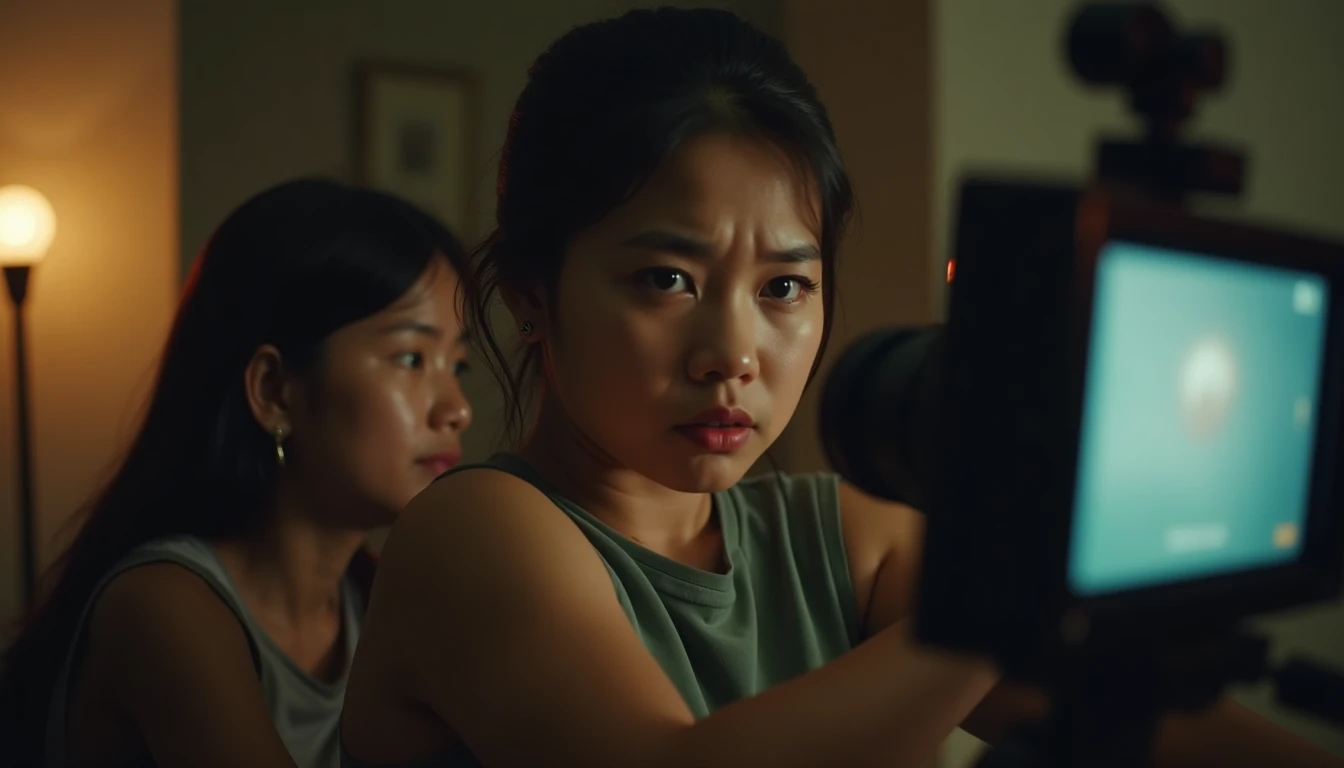
Last month, we were working on a company profile video project in the Kota Lama area of Semarang. The weather was clear, the location was ready, and the team was in the mood to work. Our main camera, a Sony FX3, was running smoothly, and the Aputure Amaran 200x lighting was neatly set up. We felt everything would go according to plan.
But in the middle of an interview session with the client, our external monitor suddenly started flickering badly, then died completely. Instant panic. This monitor isn’t just an accessory; it’s crucial for nailing focus, composition, and exposure during a shoot, especially for an interview that can’t be repeated.
What Should You Do When Video Gear Suddenly Breaks?
The first reaction is panic. Your heart beats faster, and your mind starts racing about possible project delays and the quality of the final result. But as a professional team, we knew panicking wouldn’t help. We tried turning the monitor back on, swapping the HDMI cable, even trying another power source. Nothing. The thing was dead.
This was a crucial moment that tested how prepared we were. Fortunately, we always have a standard procedure for equipping ourselves. Our team had brought a backup monitor, an affordable SmallHD that does the same job even though it doesn’t have as many features as the main monitor. We set it up right away, though with a bit of hesitation because we had never used it in the field.
Setting up and calibrating the backup monitor took about 15 minutes. During that time, the speaker (our client) had to wait longer than scheduled. We used the time to make sure everything else stayed on track. Fortunately, our interviewee was very cooperative.
Once the backup monitor was in place, we carried on shooting. At first it felt a little awkward, but we soon got used to it. The image quality the camera captured stayed intact, and most importantly, we were able to finish the interview session without any real problems. We managed to save the day thanks to having backup gear.
Key Lessons from the Broken Gear Incident
This incident was a hard reminder of a few things:
- The Importance of Backup Gear: This is no longer just a suggestion; it’s a must. Having backup gear for crucial components like cameras, lenses, batteries, memory cards, or even monitors can save a project from total failure. Investing in backup gear may feel expensive, but it’s far less than the losses from delays or reshoots.
- Routine Maintenance: Gear that breaks suddenly is often the result of poor maintenance. We now check the physical condition, connectors, and function of every piece of gear more regularly, before and after each shoot. Cleaning dust off lenses, checking cables, and making sure batteries are in top condition are part of our new routine.
- Stay Calm and Think Fast: Under pressure, the ability to stay calm and think clearly is vital. Panic only wastes energy and time. Focus on the solution, not the problem. Train yourself to have a strong problem-solving mindset.
We learned that video production isn’t only about creativity and technical skill, but also about risk management and preparedness. This broken-gear incident, even though it had us panicking for a moment, ended up making the team stronger and reminded us to always be ready for the worst.
That cheap, rarely used backup monitor saved an entire shoot day. Since then, the question we ask before heading out has changed: it’s no longer 'what gear are we bringing', but 'if this one dies in the middle of an interview, do we have a replacement'.
Need a visual production team for a project in Semarang? Labstory is a production house based in Semarang. See Labstory’s portfolio for examples of our work, or get to know our team and approach.
FAQ
What should you do if your camera breaks during a shoot?
Prioritize the safety of the team and the gear. Stop shooting right away if the damage could be dangerous. Try to identify the problem, and whether it can be handled with backup gear or needs professional repair. It’s important to stay calm and focus on finding a solution.
How important is backup gear in video production?
Very. Backup gear for crucial components like cameras, lenses, batteries, or memory can save a project from delays or total failure. Investing in backup gear is often cheaper than the losses caused by technical problems.
How do you prevent video production gear from breaking?
Do routine maintenance, such as cleaning lenses, checking cables, making sure batteries are in good condition, and storing gear in a safe place. Avoid using it in extreme conditions without adequate protection.
What should you do if a shoot stops because of broken gear?
Stay calm. Tell the team and the client about the problem. Use backup gear if you have it. If that isn’t possible, discuss adjusting the schedule or the shooting approach with the client. Flexibility is what saves the day.


Leave a Reply