

Last month, I remember that feeling well. The deadline for a client’s company profile video still felt very relaxed. About two weeks to go, I thought. Plenty of time to take it easy while working on other projects. That first assumption, as usual, turned out to be wrong.
My first mistake was underestimating how many revisions were coming. The client, who had seemed “easygoing” at first, turned out to have a lot of detailed feedback that only came up after they saw the first draft. That’s not their fault; it’s just a reality that happens a lot.
I started to feel the pressure as the revisions piled up. On top of that, footage I thought was safe turned out to have audio problems in a few key sections. And I had prepared everything from the start, including making sure all the gear, like the Sennheiser MKE600 mic, was working properly. Unfortunately, there’s always some unexpected snag.
The editing estimate I made at the start turned out to be too optimistic. I’d figured the rough cut would be done in 3 days, followed by 2 days of color grading and audio mixing. But the revisions and audio problems threw the schedule completely off. In the end, I had to brace myself for some all-nighters.
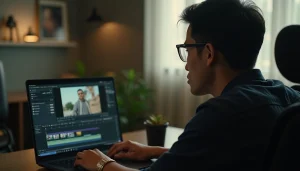
The first all-nighter began. I kept the studio lights at home on until late at night. I focused on fixing the audio and working in the client’s revisions. The clock on the wall seemed to move faster. A cup of coffee, long gone cold and that I’d stopped even tasting, kept me company.
On the second all-nighter, I started to feel the effects. Stinging eyes, an aching back. I tried turning on the Aputure Amaran 150 RGB light to change the mood a little, but focus was still hard to come by. I started to doubt whether this video could be finished on time. Panic began to creep in.
It all came to a head on the third night. I was almost done with all the revisions and the rough edit. All that was left was rendering the main video before sending it to the client the next morning. I clicked render and waited anxiously. Suddenly, an error notification popped up. The render had failed! I checked the log, and it turned out a file had become corrupted partway through. My heart felt like it had stopped.
I had to restart the render from scratch. This time, I decided not to sleep at all. A second coffee, a third, and on it went. I briefly thought back to a company profile shoot in Banyumanik that had also been full of challenges, but this was different. This was a fight against time and technology.
As morning came, with my eyes completely exhausted, I finally saw the render progress bar hit 100%. The video rendered without a problem. I sent the file to the client right away, just a few hours before the deadline.
The lessons from this all-night editing experience were pretty valuable. First, post-production time estimates need to be more realistic, even padded a little. Never take this process lightly. Second, always have a backup plan for unexpected problems, like corrupted files or failed renders.
This experience also taught me to manage expectations more carefully, both the client’s and my own. Now I always pad every editing estimate I make; not because I’m pessimistic, but because failed renders and piled-up revisions aren’t rare events. They’re a normal part of post-production. The occasional all-nighter may be unavoidable, but staying up all night because you got the timing wrong from the start is what you can actually prevent. If the trouble shows up on the shoot day instead of at the editing desk, this story of an 18-hour shoot in Semarang has similar lessons.
Need a visual production team for a project in Semarang? Labstory is a production house based in Semarang. Browse the Labstory portfolio for examples of our work, or get to know our team and approach.
FAQ
What commonly causes video editing deadlines to get tight?
Common causes include piled-up revisions from the client, unexpected problems with the footage (bad audio, corrupted files), and getting the editing time estimate wrong.
How do you handle the panic when a video render fails at the last minute?
Stay calm, find the root cause (check the error log), try rendering again, and if possible, set up backups of your editing project from the start to minimize data loss.
What lessons can you take from pulling all-nighters to edit video?
It’s important to make realistic post-production time estimates, prepare backup plans for unexpected problems, and keep communicating well with the client about the process and potential obstacles.
How do you look after yourself physically and mentally when you have to edit all night?
It’s hard, but try to stay hydrated, eat healthy food, take short breaks to stretch or walk around for a bit, and focus on one task at a time to feel less overwhelmed.


Leave a Reply