
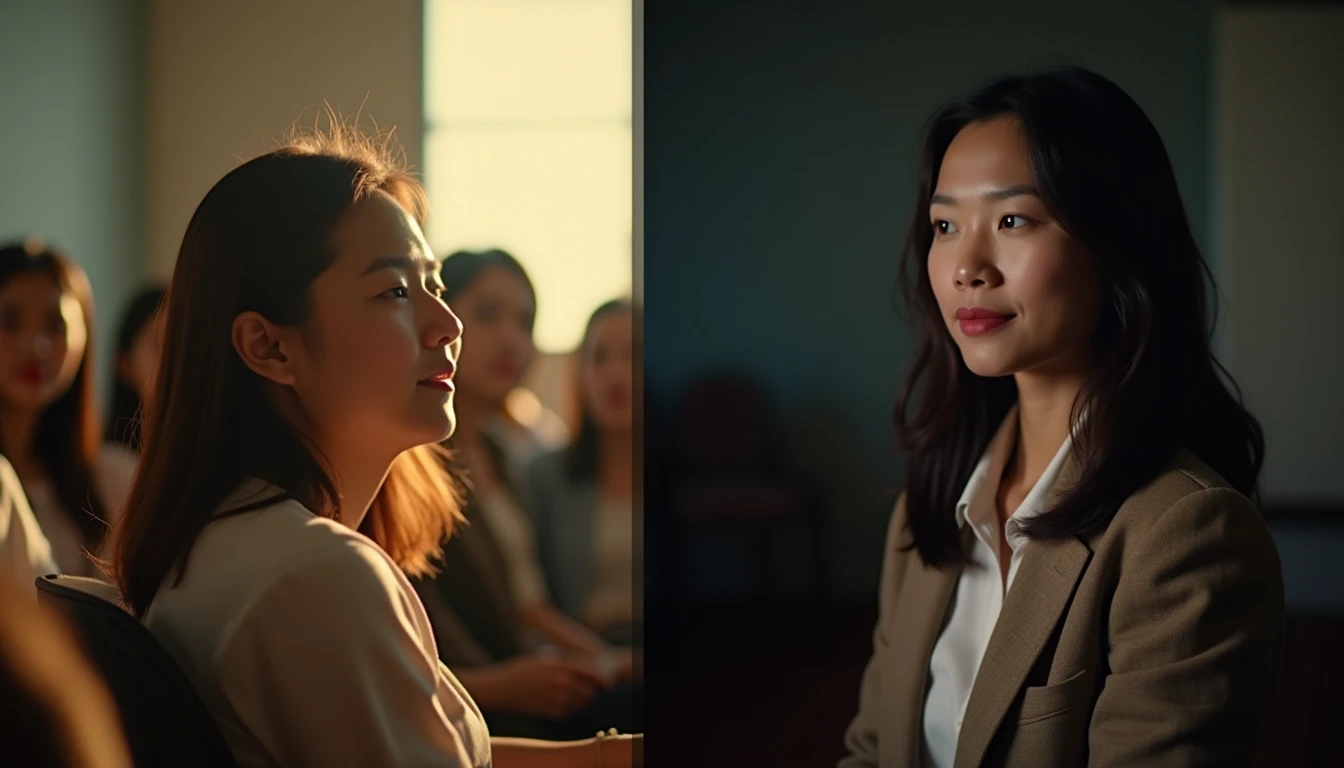
Last month, I was chatting with a startup client who needed documentation of a product launch event for the first time. They asked, "An event photographer and a photographer for product ads are basically the same thing, right? We can just edit the photos afterward." It’s a really common question, and honestly, I understand why the confusion comes up so often.
In reality, the two have very different focuses, skills, and workflows. Think of it this way: you can’t ask a chef at a five-star restaurant to cook street-side nasi goreng (fried rice) exactly like the one sold at your favorite stall, can you? There are different techniques and goals behind each.
Let’s break it down one by one so you don’t hire the wrong kind of photographer for your needs.
What Is an Event Photographer, and When Do You Need One?
Event photographers are the people tasked with capturing the important moments of an event. Their main focus is catching things as they happen: spontaneous, unstaged, and often impossible to repeat. You’d bring in this kind of photographer for:
- Seminars, workshops, or conferences: Capturing how the event unfolds, attendee interactions, the speakers, and the overall atmosphere.
- Company gatherings or parties: Documenting team togetherness, relaxed moments, and the fun of the event.
- Weddings or engagements: Capturing the emotional, sacred moments and the happiness of the couple and their families.
- Family events: Birthdays, syukuran (thanksgiving gatherings), or reunions you want to remember.
Event photography is highly dynamic work. Event photographers have to move fast, adapt quickly to shifts in atmosphere, and be ready to catch moments that come and go in seconds. Often they have to work with available light—room lighting, the late-afternoon sun, or stage lights—without much control. The key is a sharp eye for seeing and catching authentic candid moments. If a moment is missed, there’s usually no second chance to repeat it.
Recently, at a seminar at Hotel Tentrem, I watched an event photographer move around nimbly. She went from the stage to the front row, focused on the audience’s expressions during the Q&A session, then went back to the stage to catch the speakers shaking hands. All without disrupting the event. That’s an example of an event photographer doing good work; they’re a visual witness who’s always ready.
What Is a Commercial Photographer, and When Do You Need One?
Unlike event photographers, commercial photographers focus on creating fully controlled images for business or branding purposes. The goal isn’t just to document, but to build a visual narrative that fits the brief from the brand or client. You need a commercial photographer for:
- Product photos: Shooting products so they look appealing, detailed, and true to the brand identity. These can be for catalogs, e-commerce websites, or ad materials.
- Company profile photos: Portraying the working atmosphere, the team, facilities, and company values in professional visuals.
- Branding & advertising photos: Creating images specifically designed for marketing campaigns, both print and digital.
- Food photography: Making dishes look mouthwatering for menus, promotions, or social media.
In commercial photography, everything is arranged. From the lighting, set up precisely to bring out detail and texture, to the styling of the product or model, to a carefully considered composition. Commercial photographers have full control over every element in the frame. If the first result isn’t perfect yet, they can repeat it again and again until they get the result they want, in line with the brief. That matters because commercial images are often the main representation of a product or brand in consumers’ eyes.
A while back, we helped a local coffee brand in Semarang create their product photos. We used Aputure Amaran 200x studio lighting to create soft highlights on the coffee beans and show the creamy texture of the drinks. Every cup was shot over and over, adjusting the angle, lighting, and garnish until we got the right image for their promotional materials. The process took time, but the results were very precise and matched the brand’s expectations.
Key Differences: Gear, Lighting Approach, and Deliverables
The fundamental differences between these two kinds of photographers show up clearly in several areas:
- Gear: Event photographers may rely more on versatile zoom lenses (like the Lumix S 24-105 f/4) and fast camera bodies to catch moments. Commercial photographers, meanwhile, can be more specific, using prime lenses (for example, the Lumix S 100 f/2.8) for maximum sharpness, sturdy tripods, and a range of lighting modifiers (such as softboxes or beauty dishes) mounted on studio lights.
- Lighting Approach: Event photographers often rely on existing light, adding an external flash only when it’s really needed. The goal is for the images to look natural, true to the conditions at the venue. Commercial photographers, on the other hand, rely heavily on controlling artificial light (studio lighting) to shape the subject, create a mood, and highlight a product’s strengths.
- Deliverables & Pricing Structure: What an event photographer delivers is usually a photo gallery documenting the event chronologically or thematically. Pricing is often calculated per hour or per event day. Commercial photographers produce professionally edited images (color grading, retouching) ready to use in marketing materials. Pricing can vary, from per photo or per project to image usage licenses.
Here’s a quick comparison table summing up their differences:
| Aspect | Event Photographer | Commercial Photographer |
|---|---|---|
| Main Focus | Capturing spontaneous, authentic, candid moments | Building a controlled visual image that fits the brand brief |
| Working Environment | Available light, dynamic, on the move | Controlled light (studio/set), static, planned |
| Approach | Reactive, quick to catch moments | Proactive, building the image from scratch |
| Repetition | Moments can’t be repeated | Images can be reshot until they’re perfect |
| Goal | Documentation, memories | Marketing, branding, sales |
| Example Gear | Zoom lenses, external flash | Prime lenses, studio lighting, modifiers, tripod |
| Deliverables | Documentation photo gallery | Ready-to-use product/ad photos, retouched and color graded |
| Pricing Structure | Per hour/per day | Per photo/per project/license |
Choosing the wrong kind of photographer usually only shows later: product photos shot with an event approach look ‘as is’ in the catalog, and conversely, an event photographed at a commercial pace loses its spontaneous moments. So the question isn’t who’s more skilled, but whether you need moments captured or an image built. Answer that first, then compare prices.
Need a visual production team for a project in Semarang? Labstory is a Semarang-based production house. See Labstory’s portfolio for examples of our work, or get to know our team and approach.
FAQ
Can an event photographer also be a commercial photographer?
Some photographers may have skills in both areas, but they often specialize. Event photographers focus on speed and catching moments, while commercial photographers focus on technical detail and controlled aesthetics. Choosing the right specialist will give you the best results for your needs.
How long does an event photo shoot usually take?
The length of an event shoot varies a lot depending on the type of event. A seminar or workshop can take a few hours, while a wedding can take a full day. Event photographers usually offer hourly or daily packages.
How long does a commercial product shoot take?
A commercial product shoot can take longer because it involves setting up the studio, arranging the lighting, styling the product, and repeated shooting sessions. Retouching and color grading also add to the turnaround time. The results can take anywhere from a few days to a few weeks depending on the complexity.
Do commercial photographers always use a studio?
Not always. Commercial photographers can work in a studio, at the client’s location (for example, an office or factory), or at a chosen outdoor location. What matters most is that they can control the lighting and other elements to achieve the desired result in line with the brand brief.

Leave a Reply