
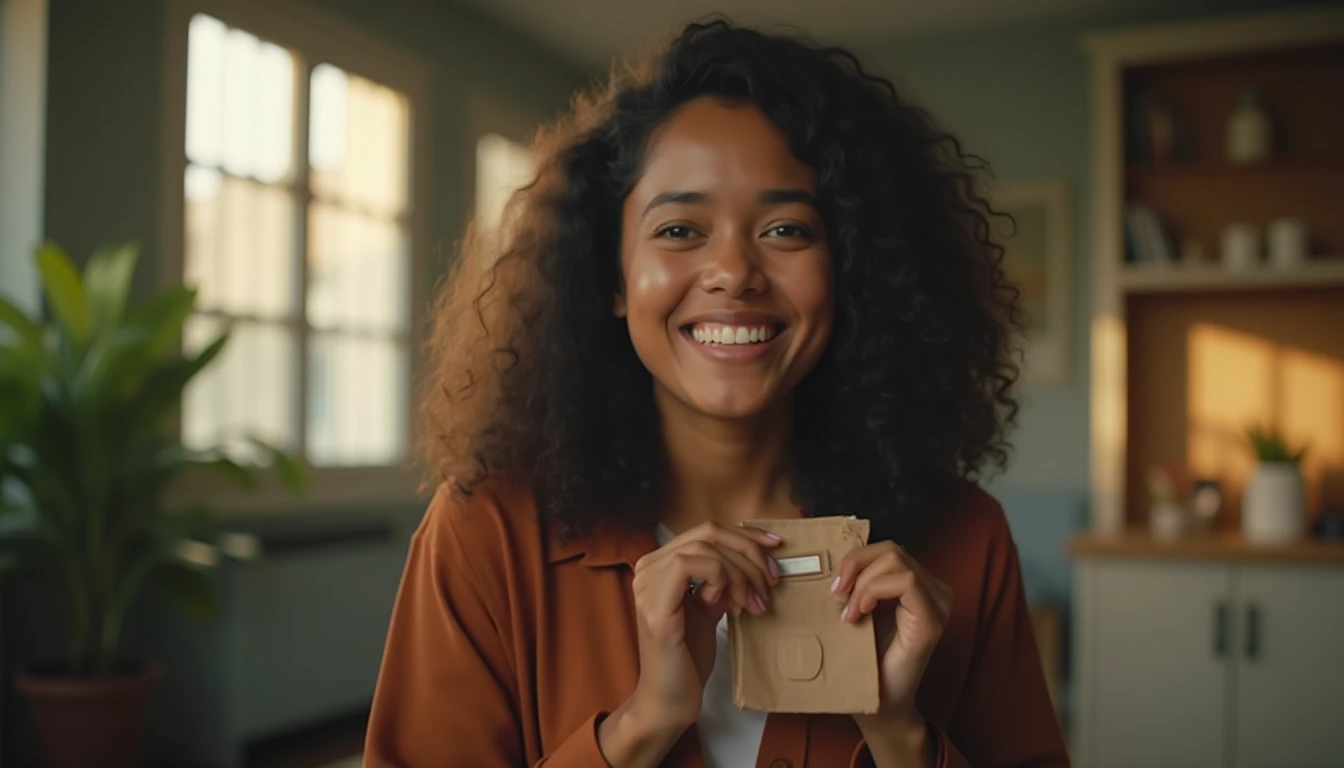
Last month, the owner of a food business in Banyumanik vented to me. She said, “I’d love to make good product videos for Instagram, but it feels so expensive, doesn’t it? It seems like only big companies can afford it.” I hear this complaint a lot: many UMKM (micro, small, and medium enterprise) owners in Semarang assume video production always means sky-high costs, like making a cinematic company profile or a TV commercial.
But that assumption only holds for one kind of video. There are plenty of other kinds of video content that are lighter, much cheaper, and actually better suited to regular production to keep your brand visible on marketplaces and social media. The key isn’t one expensive video; it’s consistent content.
We often meet small businesses with the same doubts, and it almost always ends with the same realization: simple videos that show up regularly drive more sales than one grand video that airs once and then goes quiet. Here are five kinds of content you can start on without breaking the bank.
1. Short Product Videos for Marketplaces and Social Media
This is the most basic kind of content, and the quickest to pay off. It’s short and clear: your product shown up close, with its details, how to use it, and the one strength you want to highlight. It belongs on your Tokopedia or Shopee product page, and in your Instagram or Facebook feed.
Your starting kit can be as simple as a smartphone and a tripod. What really determines the result isn’t the camera; it’s three things: enough light (near a window is already good), an angle that isn’t confusing, and clean audio if there’s narration. When your business is ready to level up, lighting like the Aputure Amaran COB 60x and a mirrorless camera like the Lumix S5 will make a noticeable difference. But don’t make that a requirement for getting started. Customers who can see a product “in motion” before buying are already far more confident than those who only see a photo.
2. Customer Testimonial Videos
For a small business, trust is currency, and nothing builds it as quickly as another customer speaking honestly. That’s why testimonial videos are often more convincing than any claim coming from your own brand.
The cheapest way: ask loyal customers to record themselves on their own smartphones, just 30 seconds to a minute, with a tidy background and clear audio. If you want something more polished, one short interview session with a simple camera and lighting setup is more than enough. What matters is that the testimonial feels genuine. A testimonial that’s too “staged” loses the very power that makes it valuable.
3. Behind-the-Scenes (BTS) of How It’s Made
People are curious about what goes on behind the scenes of a business. Brewing coffee, sewing in a garment workshop, packing handicrafts: things that are routine to you are actually interesting to potential customers. They show there are real people and real work behind the product.
This is where a smartphone actually shines. BTS that’s too polished feels fake; spontaneous BTS feels honest. Record a few short clips while you’re actually working. Some become Story material, and some get strung together into a 1–2 minute video for your feed. This is the kind of content that slowly turns one-time buyers into customers who feel like they know you.
4. Short Promo Videos for Reels or TikTok
Reels and TikTok play by their own rules: fast, entertaining, and in tune with whatever’s trending. Short promo videos work best here: a take on a popular audio, one quick tip about your product, or just a clip that’s nice to watch. Ideally under 60 seconds; often a 15-second clip is actually more effective.
The strength of this format is reach: the algorithms on both platforms actively push vertical content that makes people stop scrolling. One well-timed clip can introduce your brand to an audience that never knew you existed. The trade-off is that this content demands fast production and dynamic editing, not perfection.
5. Educational Content Around Your Product
Instead of selling all the time, give people something useful now and then. Selling skincare? Share skin care tips. Selling cookware? Make a simple recipe. Selling houseplants? Show how to look after them.
Production is similar to a product video; it just takes a bit of topic research and a well-ordered explanation. One to three minutes is usually about right. What you get out of it is bigger than one video: educational content positions your brand as someone who knows the field, and gives people a reason to keep following your account even if they’re not planning to buy today.
Consistency Matters More Than One Expensive Production
Many small businesses get stuck chasing one “perfect” video. They spend a lot of money and time on it, then stop out of exhaustion. Yet five simple short videos a month will almost always beat one video costing tens of millions of rupiah that airs once. What makes people remember a brand isn’t how grand one piece of content is; it’s showing up again and again.
Money-Saving Video Production Tips for Small Businesses in Semarang
- Batch production. Schedule one shooting day for several pieces of content at once. Prepare 3 products and shoot all their photos and short videos in the same session. It saves setup time and travel.
- Use natural light. A spot near a window, or outdoors when the sun isn’t harsh, gives you the softest light and cuts down on extra lighting.
- Start with what you have. Your smartphone is enough to get started. Focus on a clear narrative, good audio (an external mic like the Sennheiser MKE600 if needed), and basic editing. Upgrade your gear as your business grows.
- Use locations you already have. Your own workspace, your favorite café in Kota Lama, or a good-looking city park in Semarang. You don’t always need to rent a studio.
For small businesses, video is no longer about whether you can afford it. All five kinds of content above can be started with a smartphone and window light. What separates brands whose video “works” from those that stop after one expensive video comes down to one thing: being willing to produce simple content, but regularly. Start with one kind of content this week, and let the rest follow.
Need a visual production team for a project in Semarang? Labstory is a production house based in Semarang. Browse the Labstory portfolio for examples of our work, or get to know our team and approach.
FAQ
How long does it take to make a short product video?
For a simple short product video, the shoot can take 1–3 hours, depending on the number of products and the details you want to show. Editing usually takes 1–2 working days.
Do I need an expensive camera to start making videos for my small business?
Not necessarily. Today’s smartphones can already produce very good video quality. Lighting, audio, and an engaging content idea matter more.
What does ‘batch production’ mean?
Batch production means scheduling one shooting session to create several pieces of video content at once. For example, in one day you could make product videos for 3 different items, or record several customer testimonials.
How do I make customer testimonial videos look convincing?
Make sure the customers giving testimonials are satisfied users of the product. Encourage them to talk honestly about their experience, and make sure the audio and visuals are clear so they’re easy to follow.

Leave a Reply