
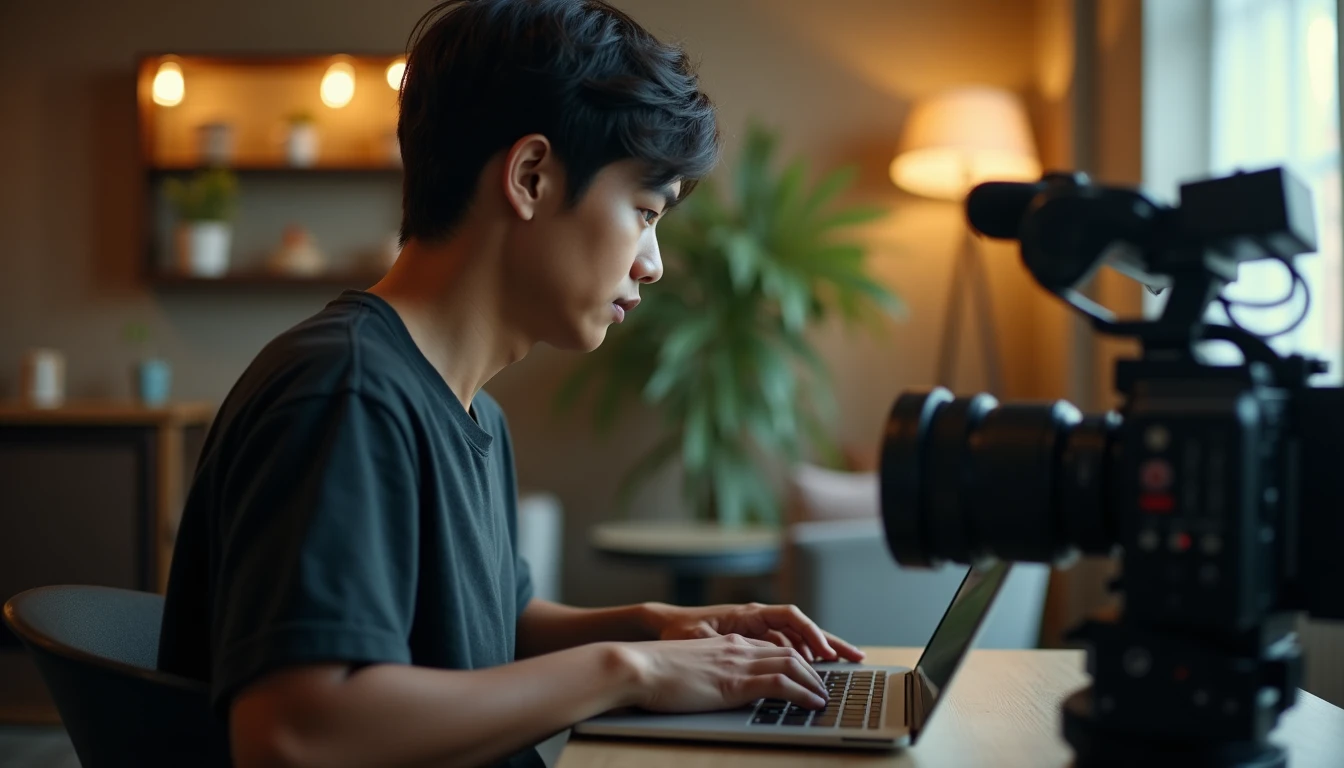
Last month, a friend who had just started out as a freelance videographer asked, "How do I get potential clients to notice my portfolio? I've been posting my work on Instagram, but it still feels like nothing's happening."
This question comes up a lot among creative workers. Many assume that simply showing off your best photos or videos is enough. In fact, building your personal brand as a videographer on social media is more than a portfolio gallery. It is about how you build connections, show what makes you unique, and get people to trust your expertise.
This article covers concrete steps for building a personal brand as a videographer or photographer on social media, so you can attract the right clients, not just any client.
How Is Personal Branding Different From a Portfolio?
A portfolio is hard proof of your work. It contains the best pieces you have ever made. Personal branding, on the other hand, is the story behind those pieces. It covers the values you hold, your distinctive style, your personality, and how you engage with the world.
For example, you can show a great company profile video in your portfolio. But your personal brand is how you explain your research before the shoot, what gear you use to get a certain shot, or even a funny story from a location shoot in Banyumanik.
1. Define a Clear Niche and Positioning
Imagine you are a brand. Who is your target market? What makes you different from other videographers in Semarang?
Finding your niche (a specific market segment) and your positioning (how customers see your brand) matters. Are you a specialist in aesthetic food videos? An energetic startup event videographer? Or maybe you focus on documenting nature tourism around Central Java?
For example, if you focus on product videos for small businesses in Kota Lama, you can build an image as a specialist who understands the challenges and needs of small businesses in that historic area. That makes you easier to remember and attracts clients who are looking for exactly that expertise.
2. Show Your Process and Personality, Not Just the Final Result
Clients aren't only buying the end result; they are also buying the experience of working with you. Sharing your creative process makes your audience feel more connected.
Share behind the scenes (BTS) content from your shoots. Talk about the challenges you faced filming in a crowded place like Pasar Johar, or how you set up an Aputure Amaran 200x light in a mini studio. Show your personality too: are you funny, a perfectionist, or extremely detail-oriented?
This builds trust. People tend to trust someone they know and feel close to, rather than just a row of perfect photos/videos with no context. Use photos or short videos that show you at work, interacting with your team, or even thinking through ideas.
3. Be Consistent in Visual Style and Posting Schedule
Consistency is what sets you apart. Your visual identity should have a signature, and so should your posting schedule.
Visual style can mean a distinctive color grade, the font you always use, or even camera angles you use often. Notice how some well-known videographers always have a look you can recognize instantly. That doesn't happen by accident; it is built over years.
A consistent posting schedule (for example, every Tuesday and Friday) lets your audience know when to look forward to your content. It also shows your professionalism and discipline. Use post-scheduling tools if you need to, so you don't get overwhelmed.
4. Share Knowledge and Perspective to Build Credibility
You are not just a video maker; you are also an expert in your field. Share what you know.
Create educational content such as short tutorials on basic lighting techniques, how to record clean interview audio with a Sennheiser MKE600, or tips on choosing the right lens for event videos. Share your perspective on industry trends too, or how a project can succeed from a videography standpoint.
The more useful knowledge you share, the more your audience sees you as a trusted source. That makes them more confident about hiring you when they need someone.
5. Use Short-Form Video and the Right Platforms
Platforms like Instagram Reels, TikTok, and YouTube Shorts are very effective for reaching new audiences. Short-form video lets you deliver quick, engaging insights.
- Instagram: Use Reels for BTS, quick tips, or eye-catching project clips. Your feed can hold more polished final work or educational carousels.
- TikTok: Great for content that is more raw, entertaining, and trend-focused. Show your personality here.
- YouTube: Ideal for longer educational content, behind-the-scenes vlogs, or in-depth portfolio showcases. It also works for full company profile videos.
- LinkedIn: This platform matters if your main target clients are corporate or B2B businesses. Share professional insights and case studies, and show how your videography can solve their business problems. Share short articles or your thoughts too.
6. Engage With the Community
Social media is about two-way interaction. Don't just broadcast content; be part of the conversation.
Reply to comments and direct messages (DMs) warmly and quickly. Give positive feedback on other videographers' or photographers' work. Take part in discussions in relevant groups. This builds relationships and makes you look like part of the community, not just someone selling something.
Authentic First, Perfect Later
Remember, building a personal brand doesn't happen overnight. It is a marathon, not a sprint. It is better to be authentic with the occasional flaw than to try to look perfect but fake.
A common mistake is posting only finished work with no story, or jumping on trends with no clear direction. Be yourself, share your process, and do it consistently. Slowly but surely, the right clients will recognize you and come to you.
Need a visual production team for a project in Semarang? Labstory is a production house based in Semarang. See the Labstory portfolio for examples of our work, or get to know our team and our approach.
FAQ
What is the main difference between personal branding and a portfolio for a videographer?
A portfolio shows your best work, while personal branding is the story behind that work, covering your values, what makes you unique, your personality, and how you work.
Which social media platform is most effective for a videographer's personal branding?
Instagram and TikTok are good for wide reach and showing your personality, YouTube suits in-depth educational content, and LinkedIn is effective for attracting corporate clients.
How important is consistency in a videographer's personal branding?
Important. Consistency in your visual style and posting schedule helps your audience recognize you and builds trust and expectations.
Do I always have to share a perfect shooting process?
No. Show the process as it is, challenges included. Authenticity matters more than perfection. Clients want to see how you solve problems and how you work.
How do I build credibility on social media as a videographer?
Share knowledge, tips, tutorials, and your perspective on the videography industry. This positions you as an expert in your field and builds your audience's trust.


Leave a Reply